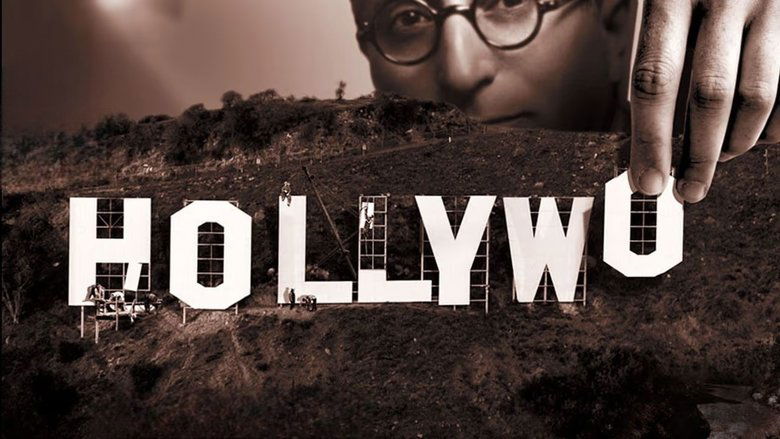
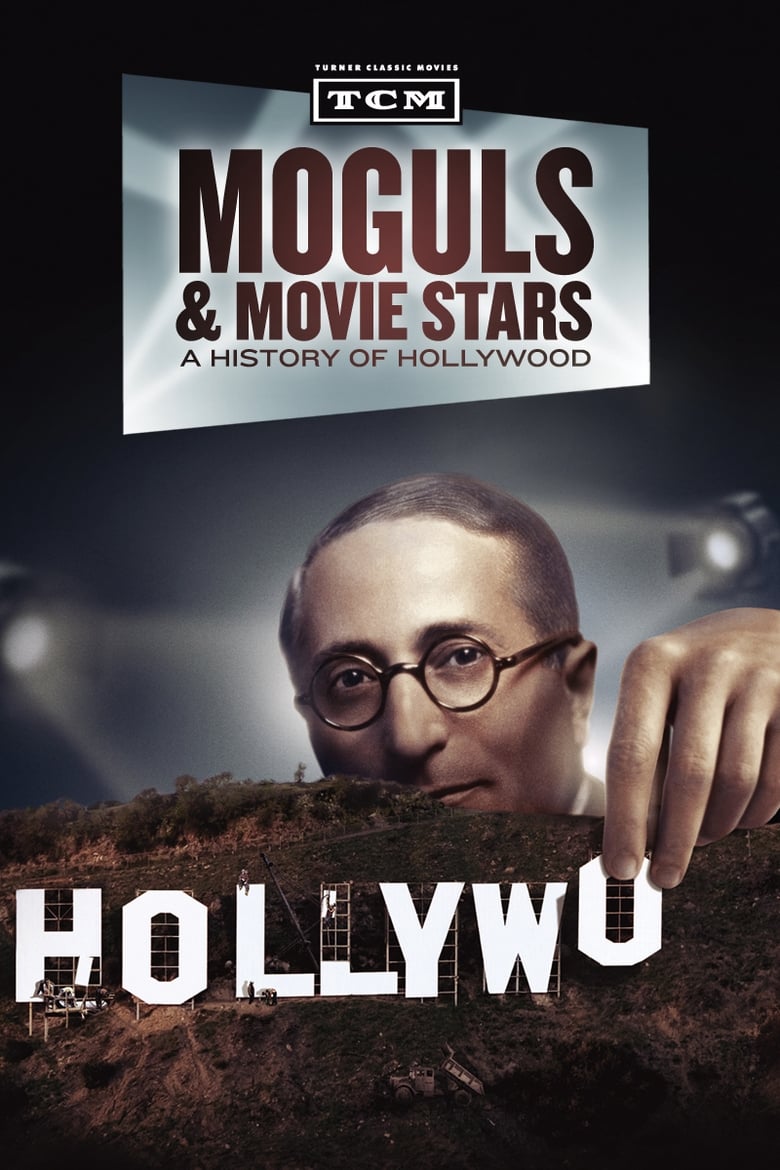
Moguls & Movie Stars: A History of Hollywood
Each installment focuses on a different era of American movie history, from the invention of the first moving pictures to the revolutionary, cutting-edge films of the 1960s.
Notes & ratings
0 ratings
0 notes
Season 1
-
1
E1
Peepshow Pioneers (1888-1907)
As America was transformed by the arrival of millions of immigrants in the 1890s, the first generation of American filmmakers joined with other innovators and entrepreneurs to create a bright new entertainment form that would transform the world. Thomas Edison perfected a device called the Kinetoscope that made pictures move, for one viewer at a time. In France, the brothers Auguste and Louis Lumière brought scenes of everyday life to the screen for a large audience, while the magician Georges Méliès created startling visual effects on film and Alice Guy Blaché became the first female film director. In the U.S., moviemaking in these early days was concentrated in New York, New Jersey and Chicago.
Nov 1, 2010 · 59m -
3
E3
The Dream Merchants (1920-1928)
The Hollywood studio system flowered in the 1920s, headed by strong-willed leaders -- most of them immigrants and small-time entrepreneurs and many of them Jewish. Each studio had its own house style. MGM, headed by Russian-born Louis B. Mayer with Irving Thalberg as his "boy wonder" production head, was super-glossy. Warner Bros., eventually to be led by brother Jack, provided grit, while Paramount, headed by Hungarian-born Adolph Zukor, lent glamour. Laemmle's Universal Pictures produced lavish spectacles and a series of fantastic dramas starring Lon Chaney. The movies' influence grew more powerful, affecting real life in terms of fashion, attitudes and behavior.
Nov 15, 2010 · 61m -
6
E6
Attack of the Small Screens (1950-1960)
During the 1950s, with the nation enjoying a new prosperity and television providing fierce competition, the reign of the old moguls began a long decline. The movies needed new ideas that went beyond 3-D, widescreen processes and stereophonic sound. Dore Schary became the new production head at MGM, and by 1951 L. B. Mayer was forced out of his own company. At Warner Bros., a hot new director named Elia Kazan brought earthy realism to the screen with such films as A Streetcar Named Desire (1951) and On the Waterfront (1954). An ominous atmosphere was created by the anti-Communist blacklist, poisoning a tough business where reputation was everything. In 1958 Stanley Kramer produced and directed The Defiant Ones, which gave Sidney Poitier above the-title billing and created the first African-American superstar.
Dec 6, 2010 · 60m -
7
E7
Fade Out, Fade In (1960-1969)
In the 1960s America was in the midst of the most jarring political and social upheaval in decades. Without the old Hollywood structure, as studios were bought, sold and reconfigured, moviemakers searched for new ways to survive and prosper. The grand movie palaces were being replaced by multiplexes, and television was here to stay. In this shifting landscape, the power of the moguls was usurped by super-agent Lew Wasserman, whose aggressive business strategies turned MCA into a powerhouse that absorbed Universal Pictures in 1962. Old-style entertainments such as The Sound of Music (1965) and the James Bond adventures still prospered, but low-budget productions for a younger audience -- such as the works of Roger Corman -- gained importance. Movies would never again be quite the same.
Dec 13, 2010 · 59m