
Energy Switch
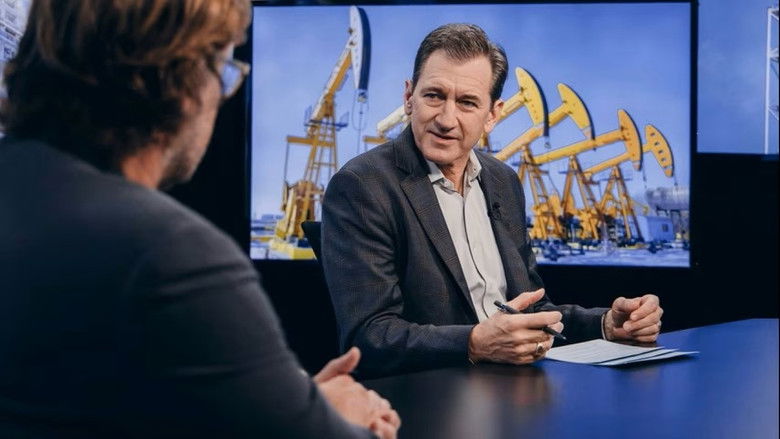
Energy Switch brings together two renowned experts from government, NGOs, academia and industry, with differing perspectives on important energy and climate topics. Hosted by renowned global energy expert, Dr. Scott Tinker.
Notes & ratings
0 ratings
0 notes
Season 8
-
1
E1
Senators Talk Energy
Energy and climate have become increasingly partisan, resulting in slow, or no, political progress. Our guests discuss subsidies, climate and energy strategy, recall a time when senators collaborated more than they conspired, and how they might come together again to help solve today’s energy and climate challenges. With former Senators Kay Bailey Hutchison and Joe Manchin.
Apr 7, 2026 -
2
E2
Tribal Energy
There are 10 million Native Americans in the U.S. Those on reservations are often the last customers on the power line, getting the worst service at the highest prices. But many tribes are working to fix this, building diverse energy projects on tribal lands that could change their future. With Cheri Smith, CEO of the Alliance for Tribal Clean Energy, and Ken Ahmann, COO of Colusa Indian Energy.
Apr 14, 2026 -
3
E3
Public Opinion on Climate
Two veteran pollsters tell us not what they think, but what we think -- Democrats, Republicans and Independents -- about the environment, climate and energy. Some of their insights will certainly surprise you. Featuring Ashley Grosse, Executive Vice President at YouGov, and Alec Tyson, Senior Vice President at Ipsos Public Affairs, two leading survey and data companies.
Apr 21, 2026 -
4
E4
Efficiency and Conservation
Using less energy saves money and can even reduce prices. It also reduces emissions and frees up energy for other uses without building more power plants and power lines. We discuss the benefits to consumers, businesses and utilities with Maggie Molina, Executive Director of Northeast Energy Efficiency Partnerships, and Laurie Wiegand-Jackson, CEO of Utility Advantage.
Apr 28, 2026 -
5
E5
Energy PhDs
Two very promising PhD candidates discuss their energy research, federal funding cuts and how they may affect the academic and science environments today and tomorrow, and their job prospects and future careers. With Kelsey Richardson, pursuing her PhD in Chemical Engineering at UC Santa Barbara, and Teagan Reasch, PhD candidate in Energy and Environmental Policy at Ohio State.
May 5, 2026 -
6
E6
Arctic Climate
The Arctic is warming faster than the rest of the planet. Melting sea ice has opened northern shipping lanes but exposes more water to the warming sun. Melting land ice raises sea levels. Changing weather can bring cold air south to the rest of us. We’ll look at these with research scientists Nancy Fresco from the University of Alaska and Twila Moon from UC Boulder.
May 12, 2026 -
7
E7
Shipping, part 1
Shipping brings us almost every product because it’s the lowest cost of any transport. This makes it extremely important globally, yet it faces many challenges, especially in the U.S., where the shipbuilding industry has nearly stagnated. We’ll hear insider perspectives from Anna Silva, Manager of Cruise Ops at Port Everglades Terminal, and Margaret Doyle, Director of Transparensea Fuels.
May 19, 2026 -
8
E8
Shipping, part 2
In part 1, we learned the basics of the industry. Now we look at CO2 emissions and the UN’s goals to reduce them, alternative low-carbon fuels and challenges to adopt those. We’ll hear what effects that might have on the industry, again with expert guests Margaret Doyle, a Director of Transparensea Fuels, and Anna Silva, Manager of Cruise Ops at the Port Everglades Terminal.
May 26, 2026 -
9
E9
Ecomodernism vs Degrowth
Degrowth advocates say we’re overusing Earth’s resources, which will degrade living standards and harm the environment, so we must reduce. Ecomodernists say we’re fine: Technology, agriculture and energy will raise living standards while demanding less of nature. We discuss with Ted Nordhaus, co-founder of Breakthrough Institute, and Josh Farley, an economist from the University of Vermont.
Jun 16, 2026 -
10
E10
Solar and Wind: Success or Failure?
Up nextWe hear conflicting information about solar and wind energy. They’re the cheapest form of electricity. But they make electricity more expensive. They’re the fastest growing electricity. But they make only a small portion of total energy. Are they the future? Or uncompetitive without subsidy? Dan Kammen, energy scientist from Johns Hopkins, and Robert Bryce, energy author and journalist, debate.
Upcoming Jun 23, 2026